The global shift towards hybrid work models has drastically reshaped how companies across the United States approach employee benefits. Traditionally, benefits packages focused heavily on in-office perks and localized services. However, as more organizations embrace flexible working arrangements, there is a growing need to rethink how these benefits are structured to support a diverse, geographically dispersed workforce.
A recent survey highlighted a significant rise in demand for mental health services and virtual wellness programs. Employers are recognizing that supporting employees' mental well-being is critical, especially during times of uncertainty. Companies like Deloitte have incorporated robust mental health initiatives within their benefits offerings, allowing employees access to counseling sessions, stress management workshops, and mindfulness apps—all remotely accessible.
Moreover, with home offices becoming the norm, employees are now seeking ergonomic and technological support to enhance their productivity at home. Organizations like Ernst & Young (EY) are paving the way by providing stipends for home office setups, ensuring employees have the ergonomic furniture and technology needed to function efficiently from diverse locations.
Another trend surfacing amidst the hybrid work environment is the rise of personalized and flexible benefits plans. Employers are increasingly offering cafeteria-style plans, where employees can pick and choose benefits that best suit their individual needs and lifestyle. This personalization empowers employees and caters to the various life stages of a diverse workforce.
Furthermore, financial wellness programs are now more prevalent than ever. With the ongoing economic challenges, employees are prioritizing their financial health. Companies such as KPMG have seen increased engagement in financial planning workshops and retirement planning seminars, providing employees with the knowledge and resources to secure their financial future.
Finally, the need for an inclusive benefits strategy is paramount. Companies are urged to ensure that all employees, regardless of their working location, feel included and valued. This includes an equitable distribution of resources and opportunities for remote and in-office employees alike.
In conclusion, the evolution of employee benefits in the context of hybrid work is both a challenge and an opportunity. By focusing on mental health, ergonomic support, personalized plans, financial wellness, and inclusivity, companies can not only attract and retain talent but also bolster a committed and effective workforce.
Reshaping Employee Benefits in the Era of Hybrid Work Featured
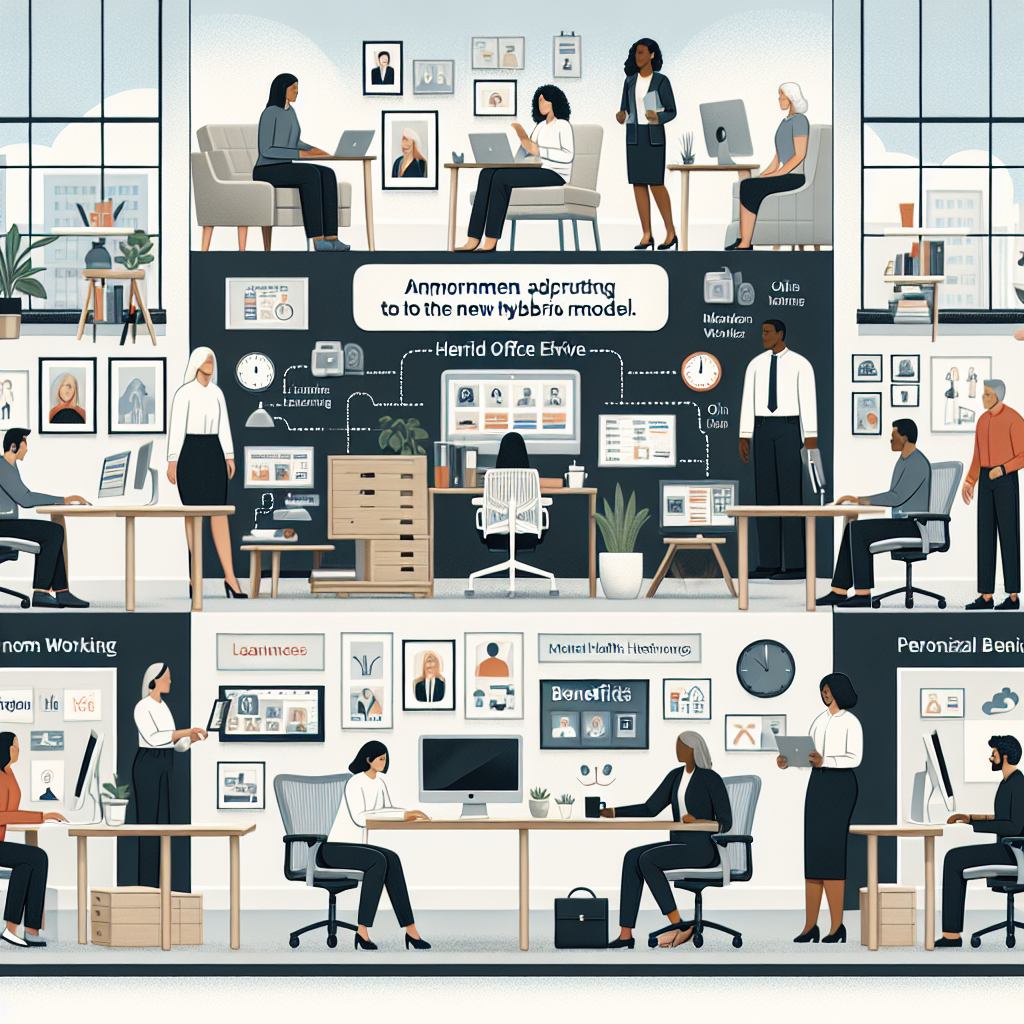 Learn how hybrid work models are reshaping employee benefits, focusing on mental health, ergonomic support, and personalized plans to support a diverse workforce.

Latest from Successful Business News
- Recent Developments in Small Business Loan Approvals
- Navigating Economic Change: The Role of Agile Accounting Practices
- Navigating the Shifts in Sales & Marketing: Insights into Current Trends
- Navigating Legal Complexities: A Guide for Small Businesses in 2023
- Revolutionizing Employee Benefits: A Dive into the Four-Day Work Week Trend