The dynamic world of supply chain management is witnessing a significant shift towards Just-in-Time (JIT) inventory management. This trend is shaping operations in businesses across industries, driven by ongoing supply chain disruptions and the need for enhanced efficiency.
JIT inventory management is gaining traction as businesses seek to respond swiftly and efficiently to fluctuating market demands. By minimizing inventory levels and ensuring items are only received as needed for production, companies can reduce holding costs and inventory waste. This approach not only optimizes operational efficiency but also mitigates the financial risks associated with overstocking.
The recent global supply chain disruptions have highlighted vulnerabilities in traditional inventory models, where extensive stockpiling can lead to significant capital being tied up. Many businesses learned this the hard way, especially amid the pandemic when demand patterns shifted dramatically and unpredictably. By adopting JIT, businesses can be more agile, keeping their operations lean and responsive to real-time demand changes.
A significant example of JIT’s effectiveness is seen in the automotive industry. Pioneered by Toyota, the JIT approach has allowed car manufacturers to synchronize their production processes closely with demand. This model promotes collaboration with suppliers, ensuring that components are delivered just as they are needed. As a result, production can be scaled up or down swiftly, maintaining a balance between cost efficiency and market responsiveness.
However, the transition to JIT requires careful planning and robust supplier relationships. Companies must invest in state-of-the-art technologies for real-time inventory tracking and demand forecasting. Additionally, supplier diversification is imperative to prevent potential supply disruptions stemming from unforeseen events.
Businesses adopting JIT can reap the benefits of reduced inventory costs and improved cash flow management. However, it is essential to couple JIT with strategic risk management to navigate potential pitfalls such as supplier reliability issues and sudden spikes in demand.
In today's complex business environment, the move towards JIT inventory management stands as a testament to the importance of adaptability and responsiveness in operations. This trend is not just about cutting costs but about fostering resilient supply chains capable of withstanding future disruptions, ensuring sustained business success.
Navigating Supply Chain Disruptions with Just-in-Time Inventory Management Featured
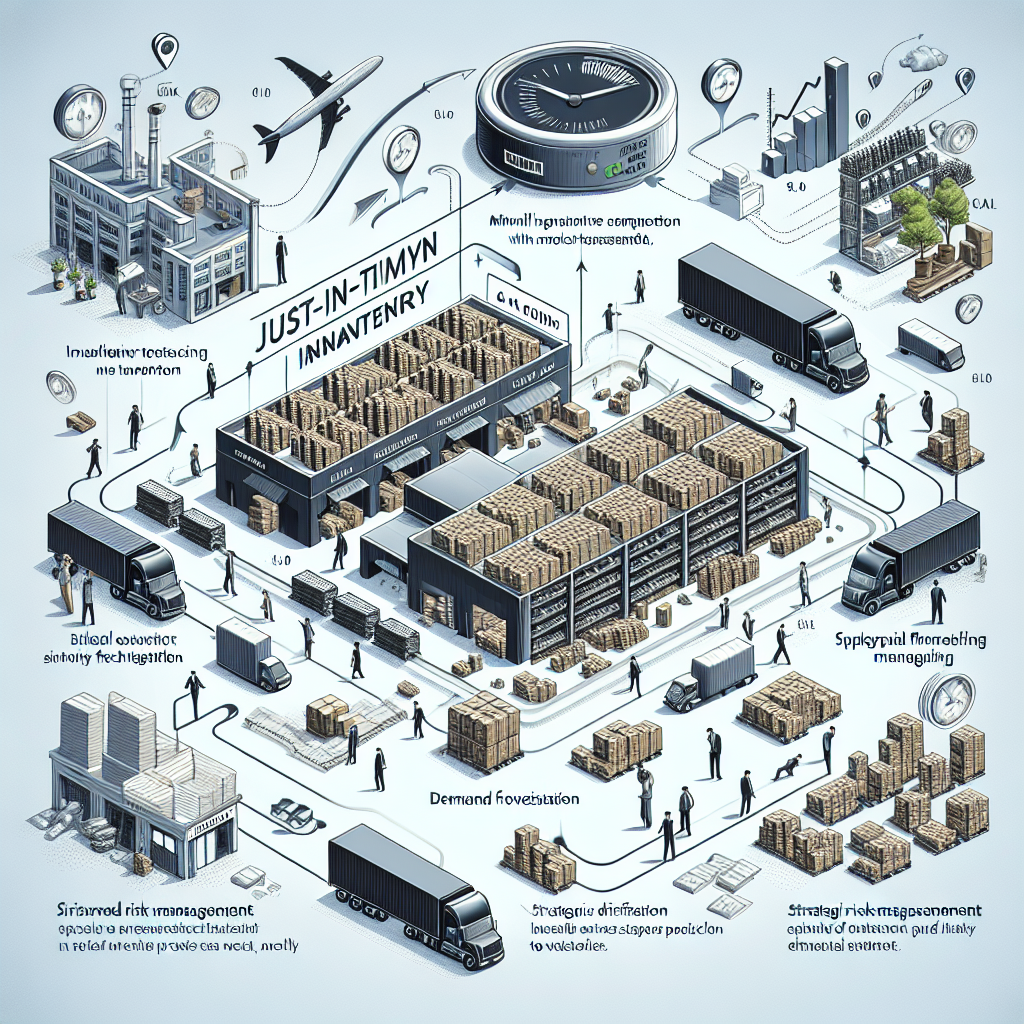 Explore how businesses are navigating supply chain disruptions with Just-in-Time inventory management, emphasizing operational efficiency and financial strategy.

Latest from Successful Business News
- Streamlining Operations: The Latest Trends in Automation
- Adapting to Change: How Operational Flexibility is Reshaping Businesses
- Innovative Strategies for Streamlining Business Operations in 2024
- Navigating the Dynamics of Modern Business Operations
- Optimizing Business Operations in a Post-Pandemic World