Leveraging AI-Powered Insights in Modern Sales Strategies Featured
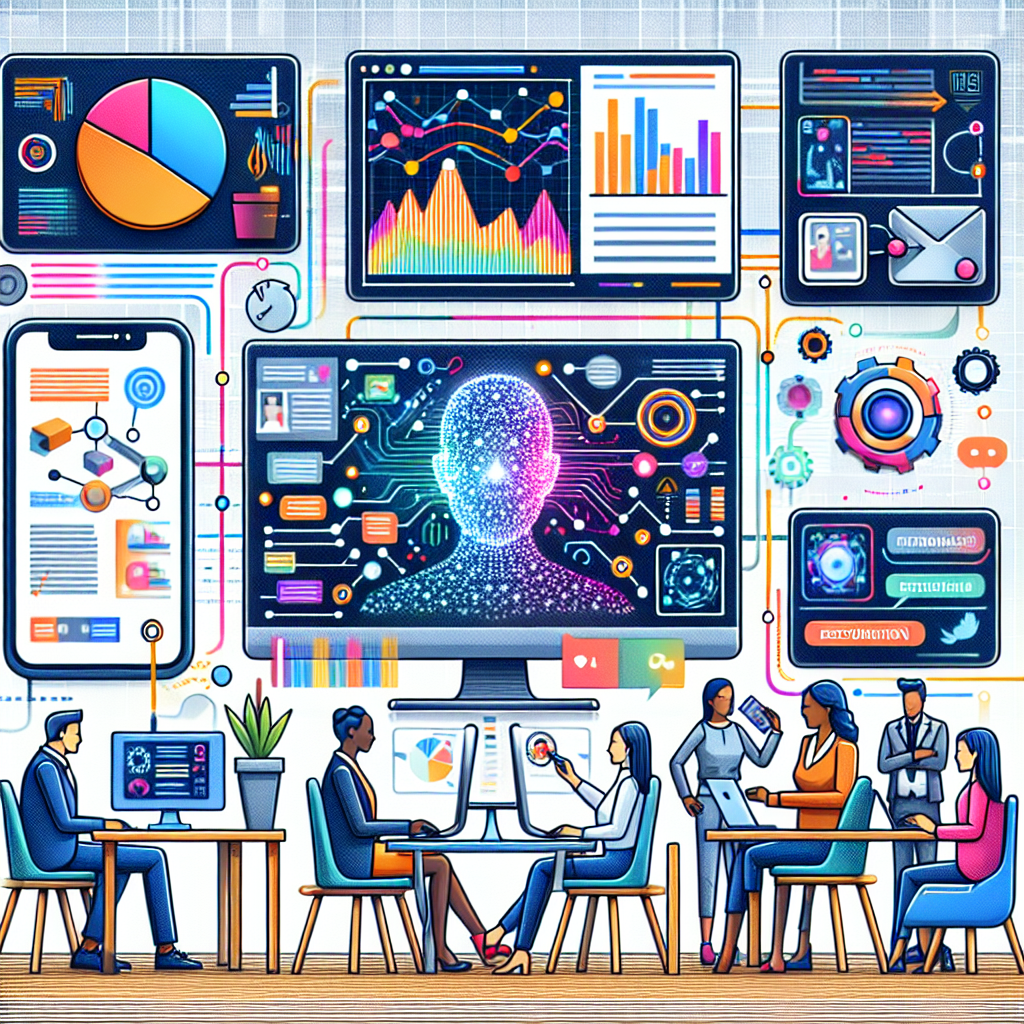 Explore how incorporating AI into modern sales strategies enhances business operations by predicting customer behavior, automating lead management, and personalizing experiences. Intelligent solutions for the evolving market.
In recent years, Artificial Intelligence (AI) has profoundly impacted various facets of business operations, notably sales strategies. Sales teams are capitalizing on AI's capabilities to refine their approach, improve customer engagement, and drive substantial revenue growth.
One of the most significant transformations is the use of AI for predictive analytics. This involves analyzing vast amounts of data to identify patterns and predict future sales outcomes. With AI-driven insights, businesses can now tailor their marketing strategies more effectively, addressing customer needs with pinpoint accuracy. I recall a case working with a retail client at Deloitte, where implementing AI tools led to a 20% increase in sales by accurately predicting consumer behavior shifts during seasonal campaigns.
Another noteworthy trend is automation in lead management. AI tools are being employed to automate routine sales tasks such as data entry, scheduling, and lead scoring. This automation allows sales teams to focus on building relationship-driven strategies rather than being bogged down by administrative duties. PricewaterhouseCoopers highlighted this shift by showcasing a tech firm that reduced its lead processing time by 30%, resulting in quicker conversion rates and improved customer satisfaction.
Personalization remains a cornerstone of effective marketing, and AI is augmenting this aspect exponentially. Machine learning algorithms analyze buyer behavior, allowing businesses to offer personalized recommendations and communications tailored to individual preferences. This technology-driven personalization not only enhances customer loyalty but also increases average order values. Research conducted by Ernst & Young underscores that companies embracing AI personalization report a significant uptick in customer retention rates.
AI is also accelerating the adoption of conversational marketing. Chatbots and virtual assistants, powered by AI, are facilitating real-time customer interactions, enhancing user experiences, and driving engagement metrics higher. KPMG conducted a service efficiency study revealing that businesses implementing AI chat interfaces experienced a 50% reduction in service response times and a corresponding rise in customer satisfaction levels.
Despite these advancements, successful AI integration in sales and marketing comes with challenges. Businesses must navigate data privacy concerns and ensure ethical AI use. Moreover, the balance between human intuition and automated insights is crucial to maintain the authenticity of customer relationships.
As AI continues to shape the landscape of sales and marketing, its ability to deliver actionable insights and enhanced customer experiences makes it indispensable in modern strategies. Embracing these technologies not only gives businesses a competitive edge but also paves the way for sustained success in the ever-evolving market environment.

Latest from Successful Business News
- Streamlining Operations: The Latest Trends in Automation
- Adapting to Change: How Operational Flexibility is Reshaping Businesses
- Innovative Strategies for Streamlining Business Operations in 2024
- Navigating the Dynamics of Modern Business Operations
- Optimizing Business Operations in a Post-Pandemic World