In today's dynamic business landscape, marketer expectations are rapidly evolving amidst economic turbulence. Influencer marketing has emerged as a potent strategy amidst these challenging times. Marketers are increasingly leveraging influencers to bridge the gap between brands and consumers, navigating through unpredictable economic currents.
One reason behind this surge is consumer behavior change. A significant shift has been seen in how customers engage with brands, with consumers now more inclined towards authenticity and relatability. Influencers, by their nature, carry the authenticity that resonates with audiences, making them vital assets for brands.
Factors like trust and genuine connection have become crucial metrics in a consumer’s decision-making process. With traditional advertisements often perceived as impersonal, influencer marketing stands out due to its ability to humanize brands, encapsulating stories that people not just watch but also relate to.
Moreover, influencer marketing operates on platforms such as Instagram, TikTok, and YouTube, which have burgeoned over recent times. These platforms provide a fertile ground to create and nurture brand narratives. Despite economic constraints, brands are investing heavily in influencer campaigns because the return on investment outperformed traditional marketing strategies in many cases.
A case study exemplifying this success is a campaign run by Deloitte with a micro-influencer network that targeted niche markets. By tapping into this approach, they were able to achieve significant brand exposure and engagement, demonstrating the astounding potential influencers hold when aligned with strategic business objectives.
While the influencer spectrum is broad, a successful campaign hinges on choosing influencers whose audiences align with brand values. This delicate synchronicity ensures that marketing efforts do not dilute brand messages but rather amplify them.
As economic uncertainty looms, businesses are tasked with innovation and adaptability. Influencer marketing provides an agile approach to consumer engagement. By harnessing its potential, brands not only survive economic downturns but thrive within them.
The Surge in Influencer Marketing Amidst Economic Turmoil Featured
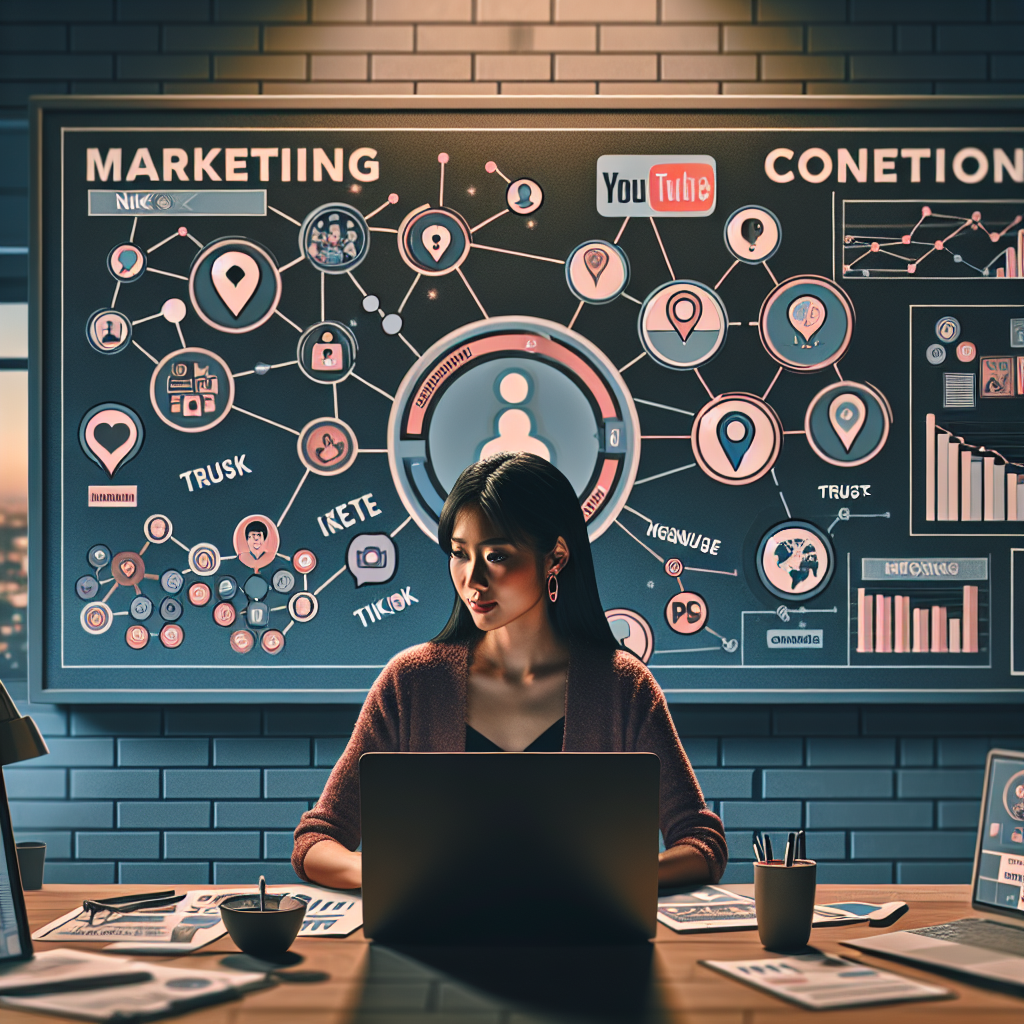 Explore why influencer marketing is witnessing a remarkable surge during economic turmoil as brands seek authenticity and enhanced consumer engagement. Learn from successful case studies like Deloitte's campaigns.

Latest from Successful Business News
- Streamlining Operations: The Latest Trends in Automation
- Adapting to Change: How Operational Flexibility is Reshaping Businesses
- Innovative Strategies for Streamlining Business Operations in 2024
- Navigating the Dynamics of Modern Business Operations
- Optimizing Business Operations in a Post-Pandemic World