

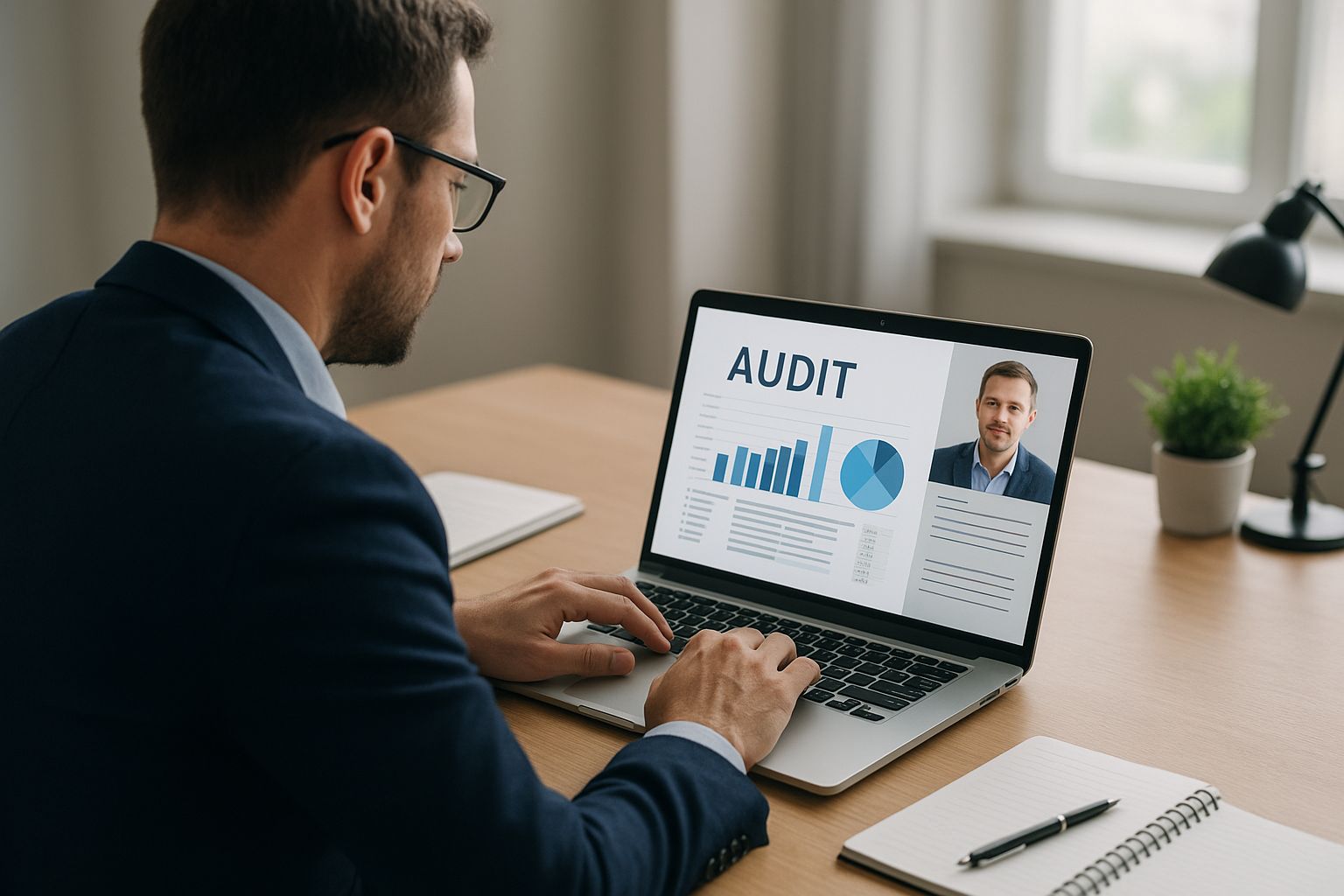
The shift towards remote auditing has become a pivotal development in the world of financial oversight and corporate governance. As remote work continues to redefine business operations, auditing practices are no exception. Organizations are rapidly adapting to embrace remote auditing as the new normal, spurred by the need for agility and resilience in the face of unprecedented global challenges.
One of the key drivers of this trend is the rapid advancement in digital technology. The pandemic accelerated the adoption of cloud-based audit tools and secure communication platforms, which have enabled auditors to conduct comprehensive reviews without physical presence. This transition offers significant advantages, including increased flexibility, cost reduction, and expanded access to a global talent pool of auditors.
However, remote auditing is not without challenges. Ensuring data security and confidentiality remains a paramount concern for organizations. Standard procedures like verification of information and maintaining audit trails have moved to digital platforms, requiring robust cybersecurity measures. Companies must invest in advanced encryption technologies and adopt stringent access controls to safeguard sensitive financial data.
Another crucial aspect of remote auditing is maintaining the quality of the audit itself. Physical site visits have traditionally played a critical role in obtaining a tangible sense of an organization’s operations. In the virtual world, auditors rely heavily on video conferencing, digital document sharing, and virtual walkthroughs to validate their findings. To uphold audit quality, firms are enhancing their methodologies to incorporate digital evidence and enhance virtual communication skills among their teams.
Emerging technologies such as blockchain are further shaping the future of remote auditing. Blockchain’s decentralized ledger system provides a transparent and immutable record of transactions, offering auditors real-time visibility into financial activities. This technology not only increases the reliability of financial data but also streamlines the audit process by reducing the need for extensive manual validation.
Corporate governance frameworks must evolve to accommodate these technological advancements. Key regulatory bodies have begun issuing guidelines and best practices to ensure remote audits maintain the same standard of accuracy and reliability as traditional audits. As remote auditing continues to become a mainstay, it will necessitate updates in compliance protocols and audit standards.
In conclusion, the integration of remote auditing into standard business practices signifies a transformative change in financial oversight. Businesses that efficiently leverage technology for remote auditing can achieve more flexible and cost-effective oversight, positioning themselves at a competitive advantage in an increasingly digital economy.