

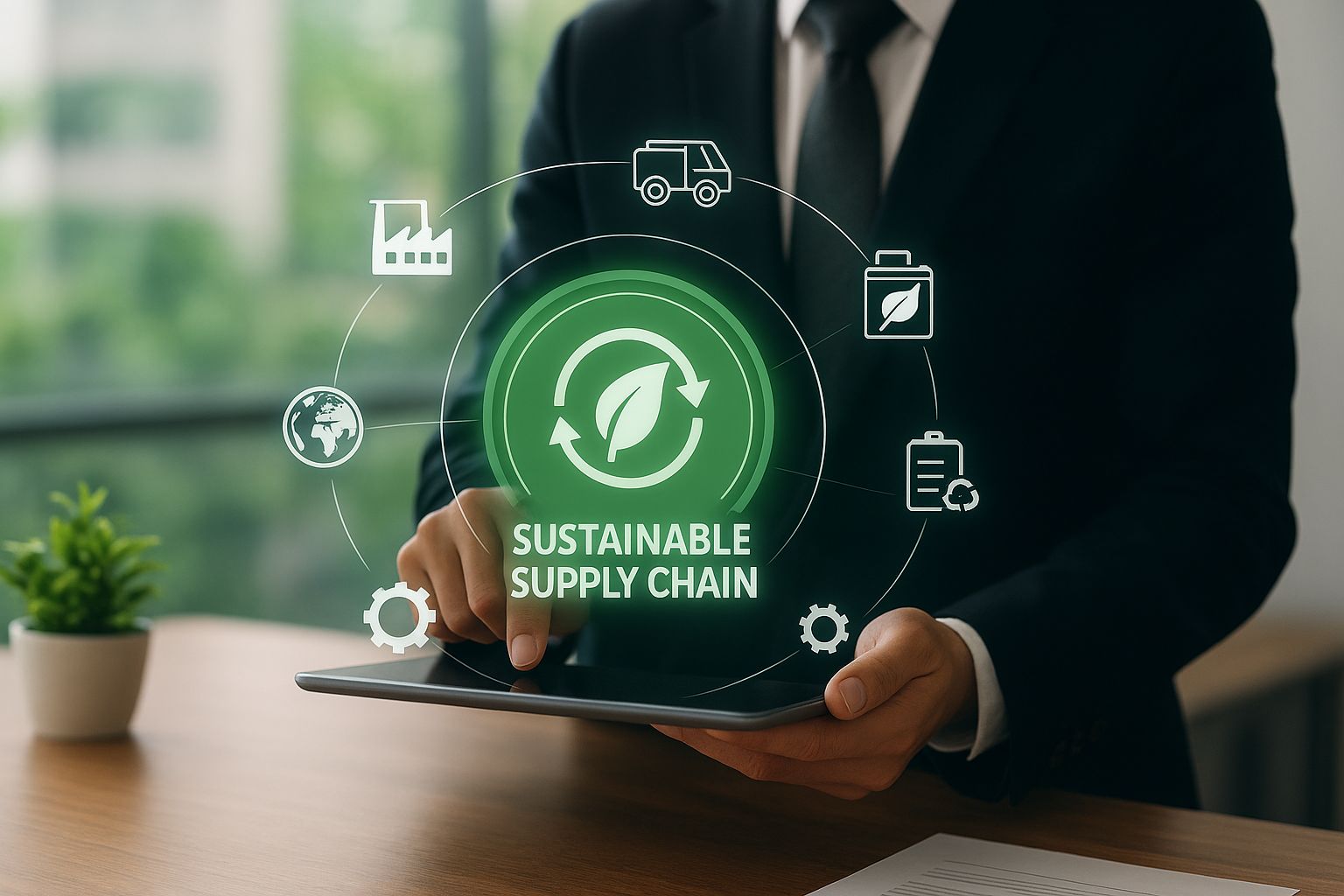
In the ever-evolving landscape of global business, integrating sustainability into supply chain management is gaining unprecedented momentum. For companies aiming to enhance their operational efficiency while meeting emerging regulatory standards, sustainable supply chains have moved from being a mere corporate tactic to a central axis of strategy.
Recent data suggests that companies embracing environmentally conscious supply chains can gain a competitive advantage. The push towards net-zero emissions, bolstered by international agreements and governmental initiatives, has made adopting eco-friendly practices both a challenge and an opportunity for corporate leaders globally.
A prime case study illustrating this trend involves a global retail giant that has successfully revamped its supply chain by prioritizing local sourcing and reducing single-use plastics, resulting in not only reduced carbon footprint but cost savings from decreased logistical expenses. Their approach encompasses a comprehensive review of material sourcing, transportation, and warehousing solutions that are in line with sustainability goals.
In addition to regulatory compliance, stakeholders—including consumers and investors—are increasingly demanding transparency and accountability. Businesses are expected to disclose their supply chain impacts comprehensively, aligning corporate reporting with environmental performance. Herein lies a critical challenge: the integration and harmonization of environmental data across diverse geographical points are both complex and resource-intensive.
Technological innovation is spearheading sustainable supply chain initiatives. Companies utilizing advanced analytics and blockchain technologies have improved visibility and traceability across supply chains. Blockchain, for instance, enhances the capacity to track ethical sourcing and verify the origin of materials, fostering trust with consumers and mitigating risk.
Nevertheless, transitioning to a sustainable supply chain can pose risks, particularly for industries bound by intricate supply networks that are challenging to overhaul rapidly. Strategic risk assessment and phased implementation are essential to mitigate operational disruptions.
Businesses must adopt a holistic approach to reshape their supply chains, involving cross-functional teams from procurement to marketing to innovate process improvements continuously. As the winds of change foster a future wherein sustainability is indispensable to business operations, organizations that adapt proactively will not only safeguard compliance but also drive long-term value creation.
To meet the complexities of sustainable supply chain management, executives are encouraged to engage in continuous education and industry collaboration, ensuring that their sustainability agendas translate to genuine business advantages as opposed to fleeting trends.