









In recent years, the landscape of employee benefits has evolved considerably, with a marked shift towards flexible benefits. Companies are increasingly moving away from the traditional one-size-fits-all benefit packages and opting for more personalized options, allowing employees to choose the benefits that best suit their needs.
The push for flexible benefits is driven by several factors, including the growing diversity in the workplace. With a mix of different generations and individual preferences, offering customizable benefits packages can significantly enhance employee satisfaction and retention. It's a modern solution to meet the varying needs of today's workforce.
One of the primary drivers of this trend is the demand for work-life balance. Employees now prioritize flexibility, not just in terms of work hours but also in the benefits they receive. From additional vacation days to wellness programs, supporting mental health initiatives, and financial planning services, employees value choices that align with their personal and professional lives.
Furthermore, businesses are recognizing the impact of flexible benefits on employee productivity. Happy employees are more engaged, productive, and loyal to their employers. According to a recent survey, organizations that offer flexible benefits report higher levels of employee commitment and lower turnover rates.
A standout case exemplifying this trend is Deloitte’s approach to benefits. The company introduced a flexible benefits program that not only includes traditional perks such as healthcare and retirement savings but also offers fitness subsidies, education stipends, and even pet insurance. By providing a suite of options, Deloitte has been able to attract and retain top talent in a highly competitive industry.
While the benefits of flexible options are clear, implementing such programs requires careful planning. Companies need to communicate clearly with their employees to understand which benefits are most valued and utilize data-driven insights to tailor their offerings. Collaboration between HR and financial departments is also crucial to ensure the programs are financially viable and effectively managed.
Estimated reading time: 1 minute, 39 seconds
The Rise of Flexible Benefits in the Workplace Featured
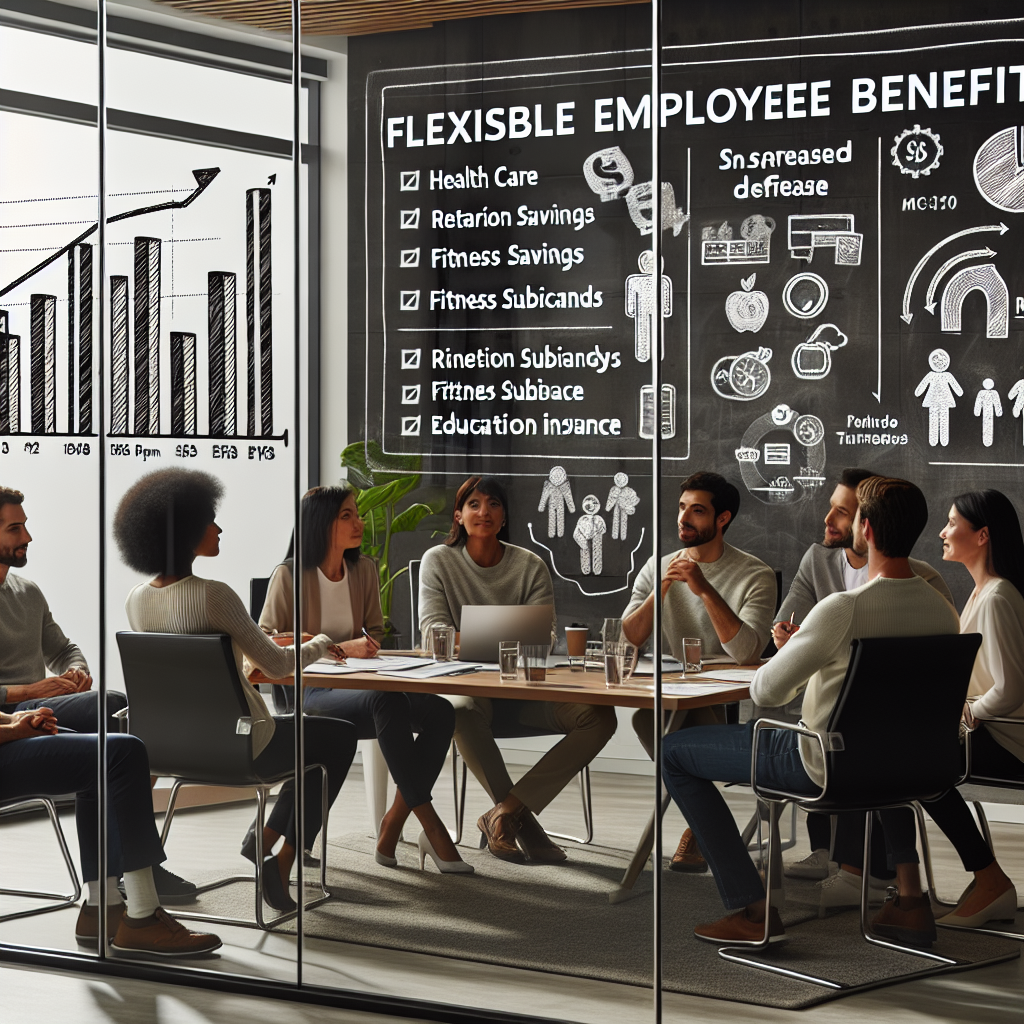 Explore the rise of flexible benefits in the workplace and how they can enhance employee satisfaction and productivity.
Latest from Successful Business News
- Streamlining Operations: The Latest Trends in Automation
- Adapting to Change: How Operational Flexibility is Reshaping Businesses
- Innovative Strategies for Streamlining Business Operations in 2024
- Navigating the Dynamics of Modern Business Operations
- Optimizing Business Operations in a Post-Pandemic World
Most Read
-

-
Feb 08 2012
-
Written by SBN Editors
 If you own a business, you should get fleet vehicles.…
-
-
-
Sep 08 2011
-
Written by Editor
 ADP®, a leading provider of human resource outsourcing, payroll services,…
-
-
-
Jun 18 2013
-
Written by News
 NETGEAR®, Inc. has shipped the NETGEARProSAFE(TM) Single-Band Wireless-N Access Point…
-
-
-
Nov 14 2012
-
Written by SBN Editors
Today we are going to focus on a few of…
-