










As businesses around the world strive for sustainability while maintaining profitability, a new trend is emerging in the accounting space: Environmental Accounting. This evolving field, also known as Green Accounting, is gaining momentum as companies and stakeholders recognize its importance in today's eco-conscious society.
Environmental Accounting refers to the incorporation of environmental costs into business accounting practices. It evaluates the environmental impact of business activities, helping organizations identify their ecological footprint and adjust practices to foster sustainability. This burgeoning trend is critical, as stakeholders now demand accountability not just in financial performance but also in environmental responsibility.
The case of Interface Inc., a global leader in modular flooring, exemplifies the application of Environmental Accounting. In the mid-1990s, Interface embarked on a mission to become a sustainable enterprise by 2020. They implemented an Environmental Accounting system that allowed them to track and evaluate the environmental impact of every decision, leading to innovations that reduced their carbon footprint significantly while boosting profitability.
Implementing Environmental Accounting effectively requires organizations to integrate non-financial metrics into their traditional accounting systems. This involves detailed reporting of energy use, waste management, water consumption, and emissions. By doing so, companies can measure how their environmental initiatives impact the bottom line, ensuring alignment with both financial and ecological goals.
As this trend continues to gain traction, regulatory bodies are placing greater emphasis on environmental disclosures. The upcoming financial reporting frameworks are expected to mandate transparency regarding environmental risks and opportunities. Thus, businesses must be proactive in adopting Environmental Accounting to remain compliant and competitive in the global market.
Companies like Unilever and Patagonia have demonstrated that adopting sustainable practices does not hinder financial success but instead promotes a positive brand image, which can lead to increased consumer loyalty and market share.
Conclusion: Environmental Accounting is no longer optional; it's a necessity for businesses aiming for long-term success in today's world. By embracing this trend, companies can drive innovation, engage stakeholders, and fulfill regulatory expectations while contributing positively to the planet.
Estimated reading time: 1 minute, 45 seconds
The Surge of Environmental Accounting: Navigating Modern Business Landscapes Featured
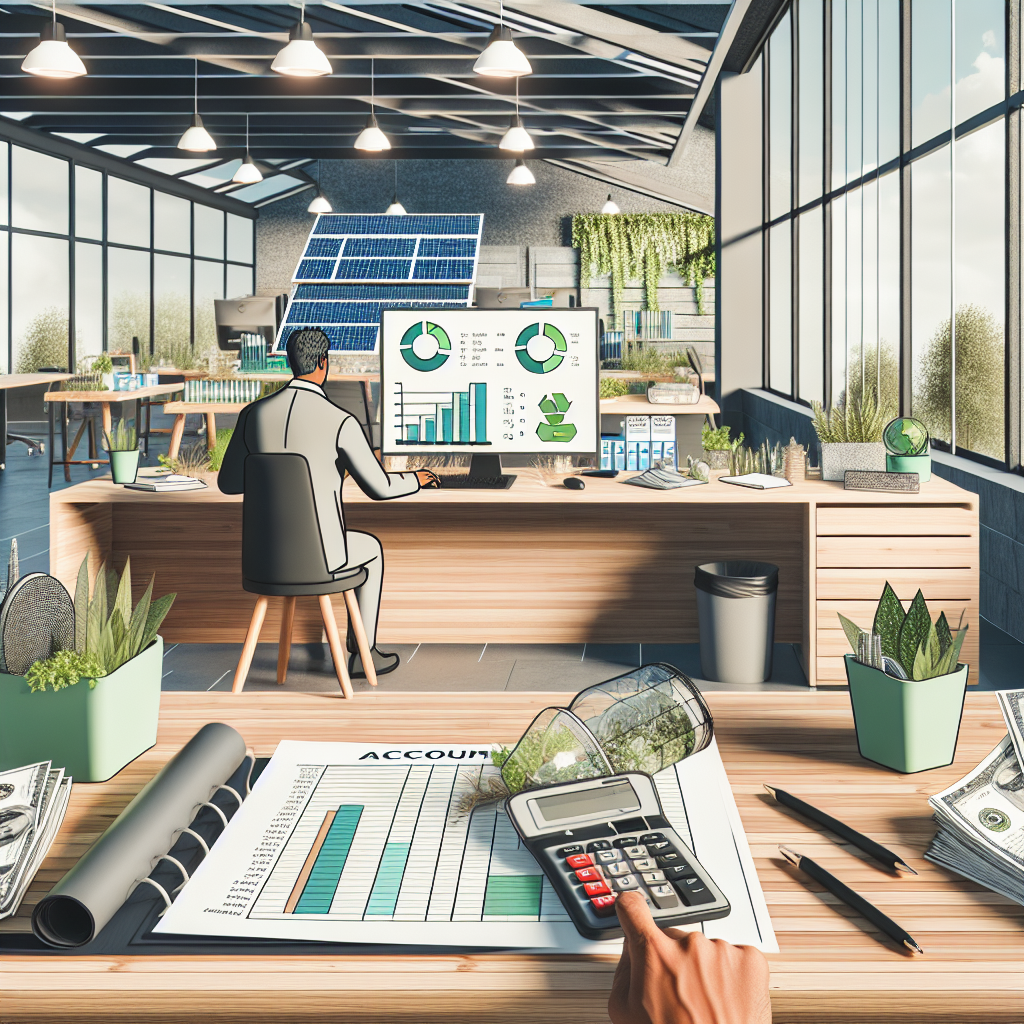 Explore the rise of Environmental Accounting and its impact on modern businesses, emphasizing sustainability, corporate responsibility, and long-term success.
Latest from Successful Business News
- Embracing Sustainability: The New Frontier in Business Operations
- Recent Developments in Small Business Loan Approvals
- Navigating Economic Change: The Role of Agile Accounting Practices
- Navigating the Shifts in Sales & Marketing: Insights into Current Trends
- Navigating Legal Complexities: A Guide for Small Businesses in 2023
Most Read
-

-
Feb 08 2012
-
Written by SBN Editors
 If you own a business, you should get fleet vehicles.…
-
-
-
Sep 08 2011
-
Written by Editor
 ADP®, a leading provider of human resource outsourcing, payroll services,…
-
-
-
Jun 18 2013
-
Written by News
 NETGEAR®, Inc. has shipped the NETGEARProSAFE(TM) Single-Band Wireless-N Access Point…
-
-
-
Nov 14 2012
-
Written by SBN Editors
Today we are going to focus on a few of…
-