










In a world dominated by digital engagement, traditional marketing strategies are taking a backseat as experiential marketing rises to the forefront. With consumers being bombarded with digital advertisements at every turn, businesses are seeking new ways to stand out, and experiential marketing has emerged as a game-changer.
Experiential marketing is about creating memorable in-person experiences that resonate with consumers on an emotional level. It's a strategic approach that goes beyond the usual advertising channels, allowing brands to engage directly with their audience. The underlying idea is to forge deeper connections by offering something unique that taps into consumers' emotions and leaves a lasting impression.
The trend gained traction as individuals increasingly sought authentic interactions with brands. According to recent reports, companies investing in experiential marketing campaigns reported a significant increase in their consumer engagement levels compared to traditional methods. An excellent case study highlighting this trend is Coca-Cola, which has been notorious for creating unforgettable experiences like their "Share a Coke" campaign, encouraging personal connection with the brand.
In the current climate, where digital fatigue is a real concern, experiential marketing offers a refreshing change. It is particularly successful at creating an emotional bond between brands and consumers, often leading to word-of-mouth promotion and organic growth. By integrating technology with physical experiences, marketers are now creating immersive experiences that capture the consumers' imagination, merging the digital and physical worlds. Virtual reality (VR) activations, pop-up events, and interactive installations are excellent examples of how this hybrid approach is being implemented.
Moreover, experiential marketing effectively leverages social media's power by encouraging attendees to share their experiences online, thus amplifying brand reach. In today's connected world, a consumer's personal endorsement carries significant weight, and when shared across social media platforms, it can rapidly increase a brand's visibility and credibility. It turns consumers into brand advocates naturally and authentically, bolstering the marketing effort.
Despite its benefits, brands venturing into experiential marketing must remember that relevance is key. The experiences should align with the brand's identity and resonate with the target audience. A well-executed campaign can significantly impact a brand's market presence, but a poorly conceptualized one could be detrimental.
As experiential marketing continues to evolve, businesses need to keep pace with technological advancements and consumer expectations. The integration of AI and other cutting-edge technologies promises to further personalize and enhance these experiences, creating more significant opportunities for brands to connect with their audiences.
Estimated reading time: 2 minutes, 7 seconds
The Rise of Experiential Marketing in Today's Digital World Featured
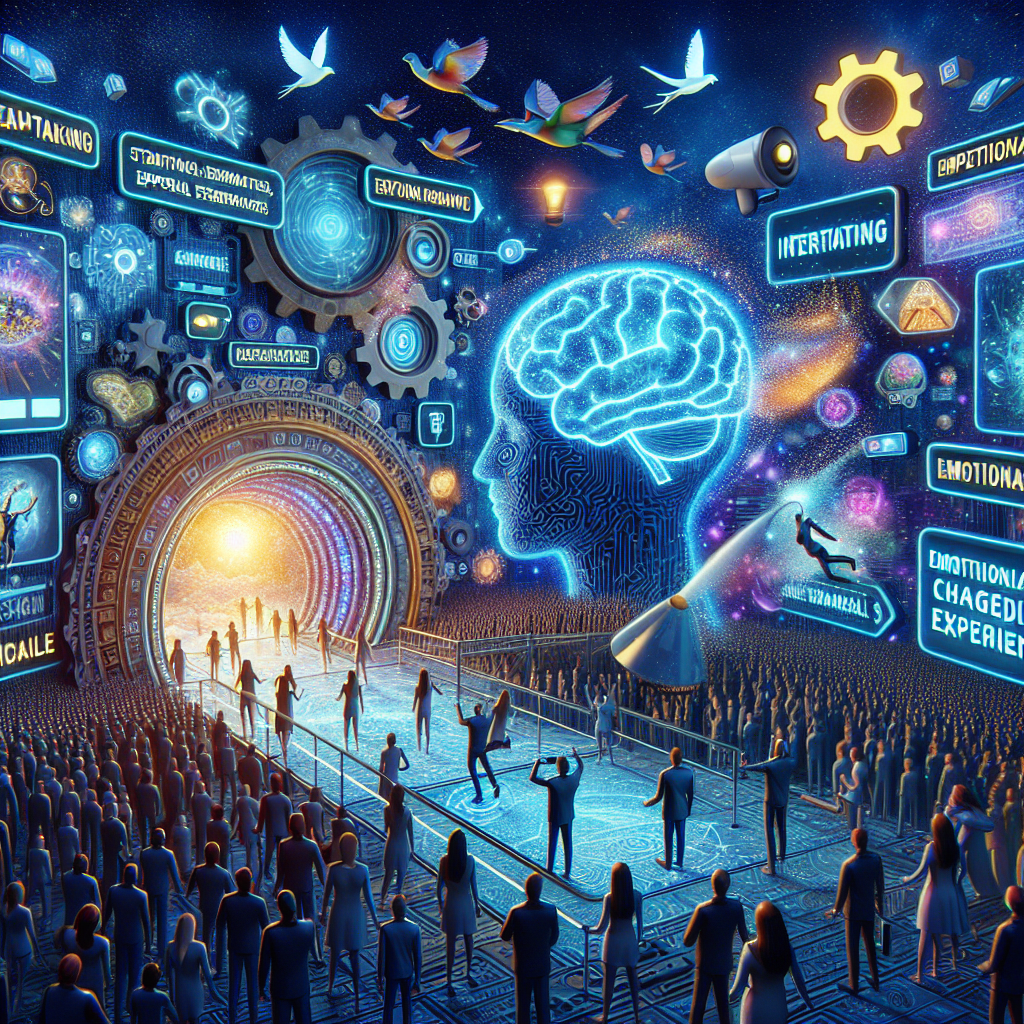 Discover how experiential marketing is shaping today's digital landscape by creating emotional connections and memorable brand experiences. Learn about its benefits, challenges, and future potential.
Latest from Successful Business News
- Streamlining Operations: The Latest Trends in Automation
- Adapting to Change: How Operational Flexibility is Reshaping Businesses
- Innovative Strategies for Streamlining Business Operations in 2024
- Navigating the Dynamics of Modern Business Operations
- Optimizing Business Operations in a Post-Pandemic World
Most Read
-

-
Feb 08 2012
-
Written by SBN Editors
 If you own a business, you should get fleet vehicles.…
-
-
-
Sep 08 2011
-
Written by Editor
 ADP®, a leading provider of human resource outsourcing, payroll services,…
-
-
-
Jun 18 2013
-
Written by News
 NETGEAR®, Inc. has shipped the NETGEARProSAFE(TM) Single-Band Wireless-N Access Point…
-
-
-
Nov 14 2012
-
Written by SBN Editors
Today we are going to focus on a few of…
-